Visual Quiet: The Intentional Way to Declutter a Small Space
Does your apartment feel exhausting the moment you walk inside, even when it is technically clean? Environmental psychology shows that our brains are constantly scanning every object in a room, interpreting each item as a subtle micro-task. This constant scanning creates a baseline level of tension known as cognitive load.
True peace at home is not about throwing away everything you own to live in an empty box. It is about intentionally managing what your eyes process on a daily basis. In 2026, the modern woman is embracing the concept of “visual quiet” to lower her daily stress and curate a deeply restorative sanctuary.
What is Visual Quiet?
Visual quiet is a 2026 interior design principle that reduces cognitive load by limiting the amount of visual noise in a space. It relies on closed storage, muted color palettes, and intentional organization to create a calm, cohesive environment that gives your nervous system a break.
Clutter is not just physical; it is psychological. When a room has too many competing focal points, mismatched colors, or exposed labels, your brain must work overtime to filter the chaos. By editing out unnecessary visual stimuli, you instantly make a small apartment feel lighter and more spacious. It allows your mind to rest rather than react.
Sterile vs. Warm Minimalism
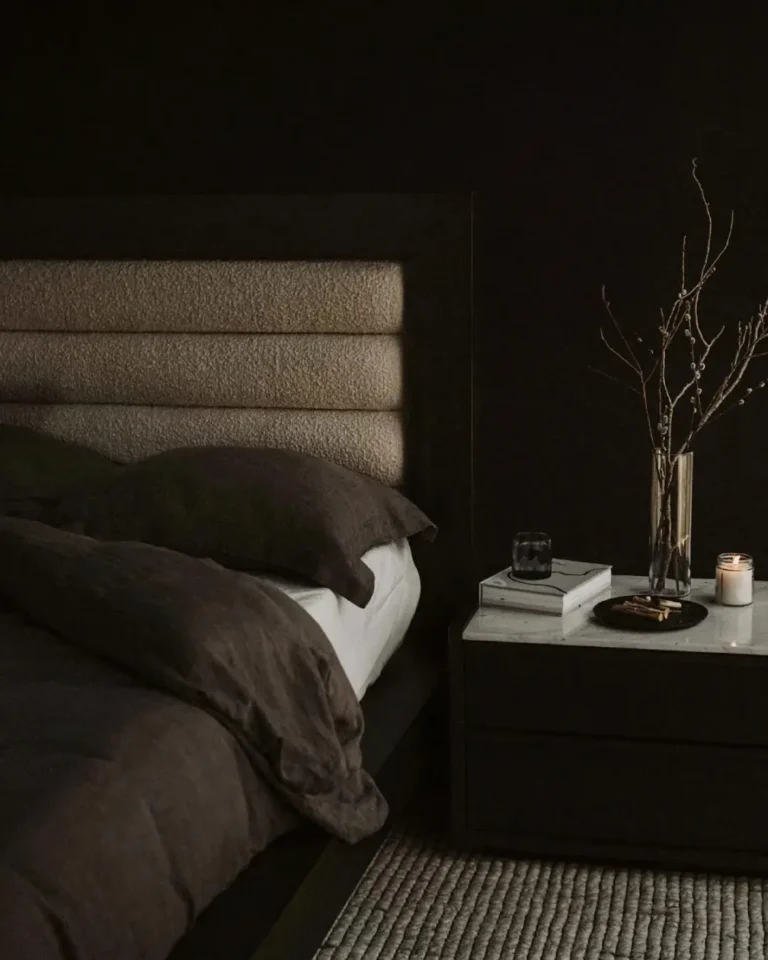
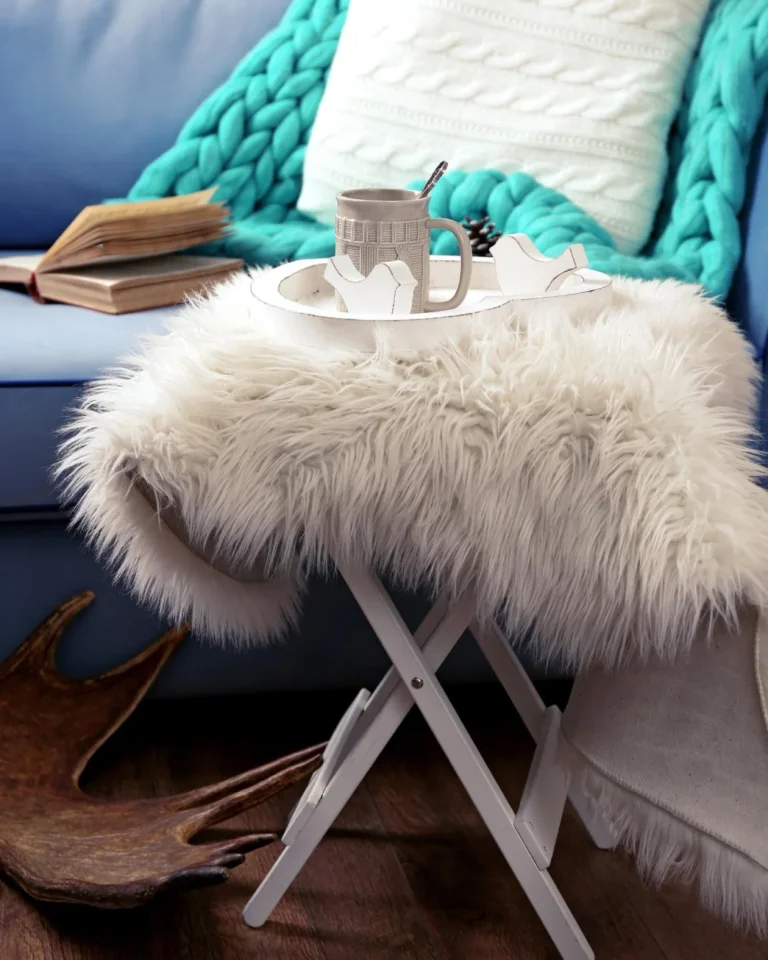
Sterile minimalism strips a room of all personality using cold, clinical whites and empty spaces that feel unlivable. Warm minimalism is an intentional design approach that combines clutter-free organization with earthy tones, natural wood, and tactile fabrics to create a soothing, lived-in environment.
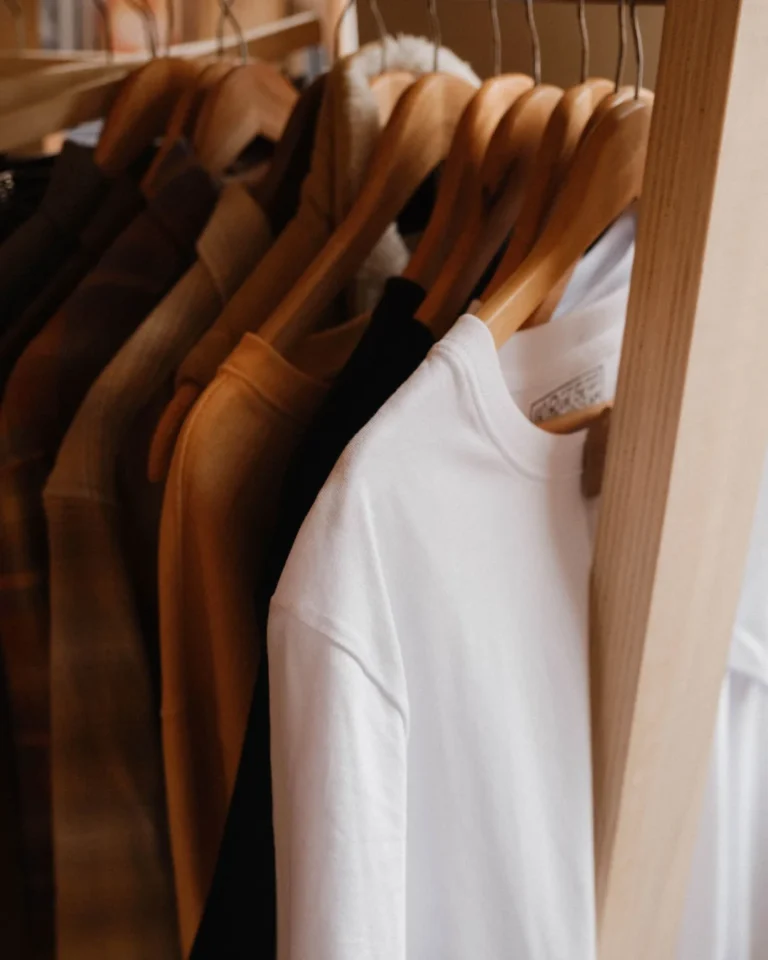
You do not have to sacrifice comfort to achieve a highly organized home. The 2026 aesthetic favors tactile authenticity over museum-like perfection. By layering soft linen, ribbed ceramics, and warm oak, you achieve the visual peace of minimalism without losing the soul of your apartment.
The “Closed Storage” Rule
The closed storage rule dictates that all highly functional, chaotic, or mismatched daily items must be hidden behind solid doors or inside opaque bins. This instantly eliminates the visual noise caused by brightly colored packaging, tangled cords, and scattered daily necessities.
Open shelving should never be used to store pantry boxes, cleaning supplies, or paperwork. To lower your cognitive load, use woven baskets, wooden credenzas, or linen storage boxes to hide the unglamorous realities of daily life. When the chaotic items are completely out of sight, your brain stops adding them to a subconscious to-do list.
Curating Open Surfaces
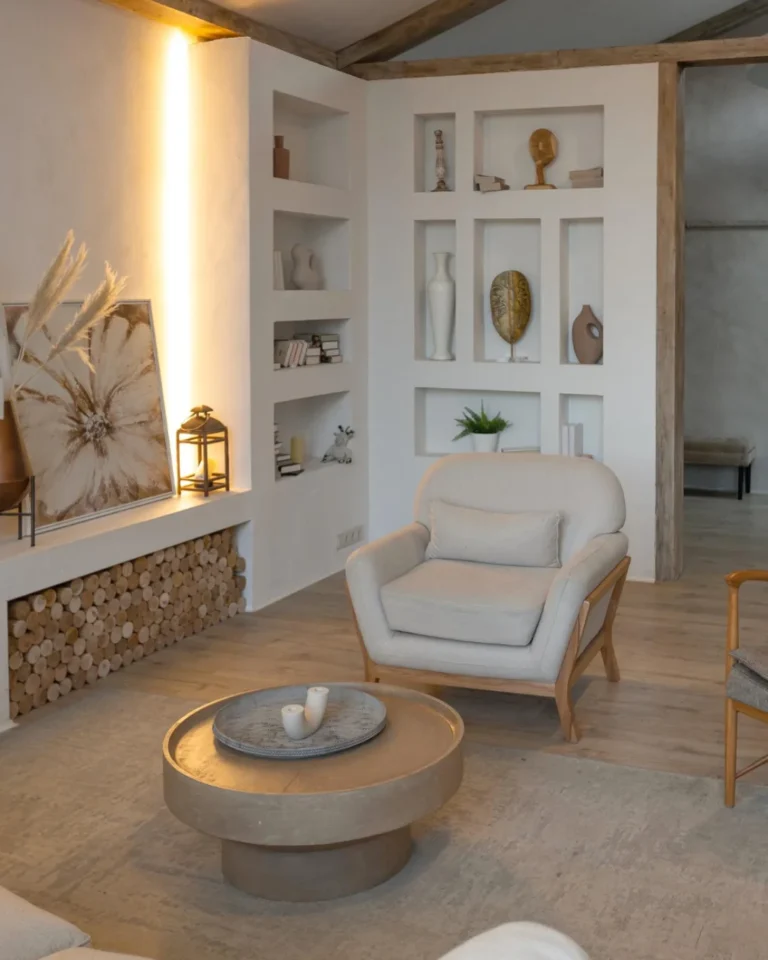
Curating open surfaces means strictly limiting your exposed countertops, tables, and shelves to display only beautiful, intentional objects. This design strategy ensures your eyes rest on calming elements rather than visual clutter, transforming your home into a serene, gallery-like sanctuary.
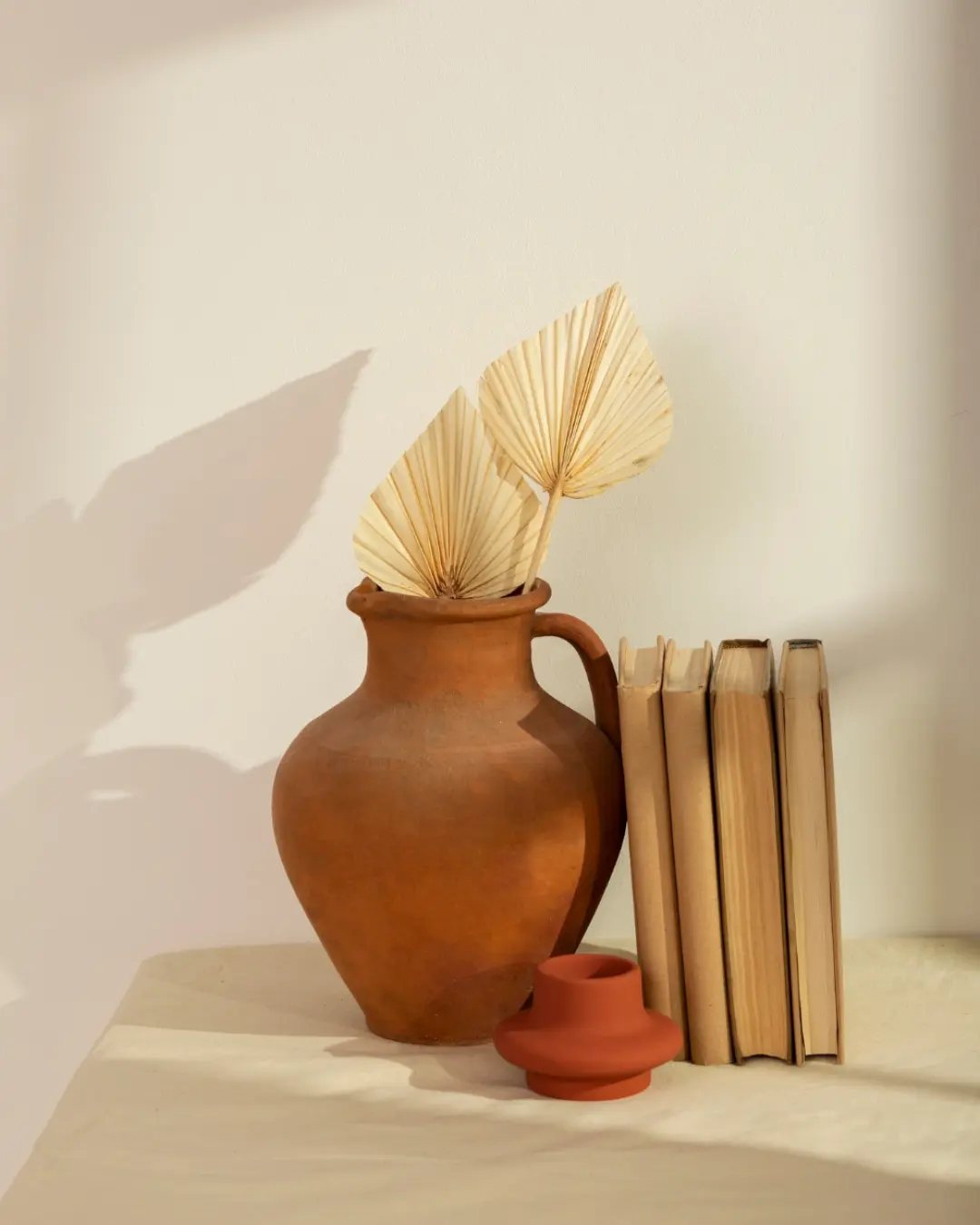
Once your chaotic items are hidden away, you can use your open spaces to tell a visual story. Group items in odd numbers, like three vintage books topped with a single amber glass vase. This intentional styling brings warmth and personality to the room while fiercely protecting your visual quiet.