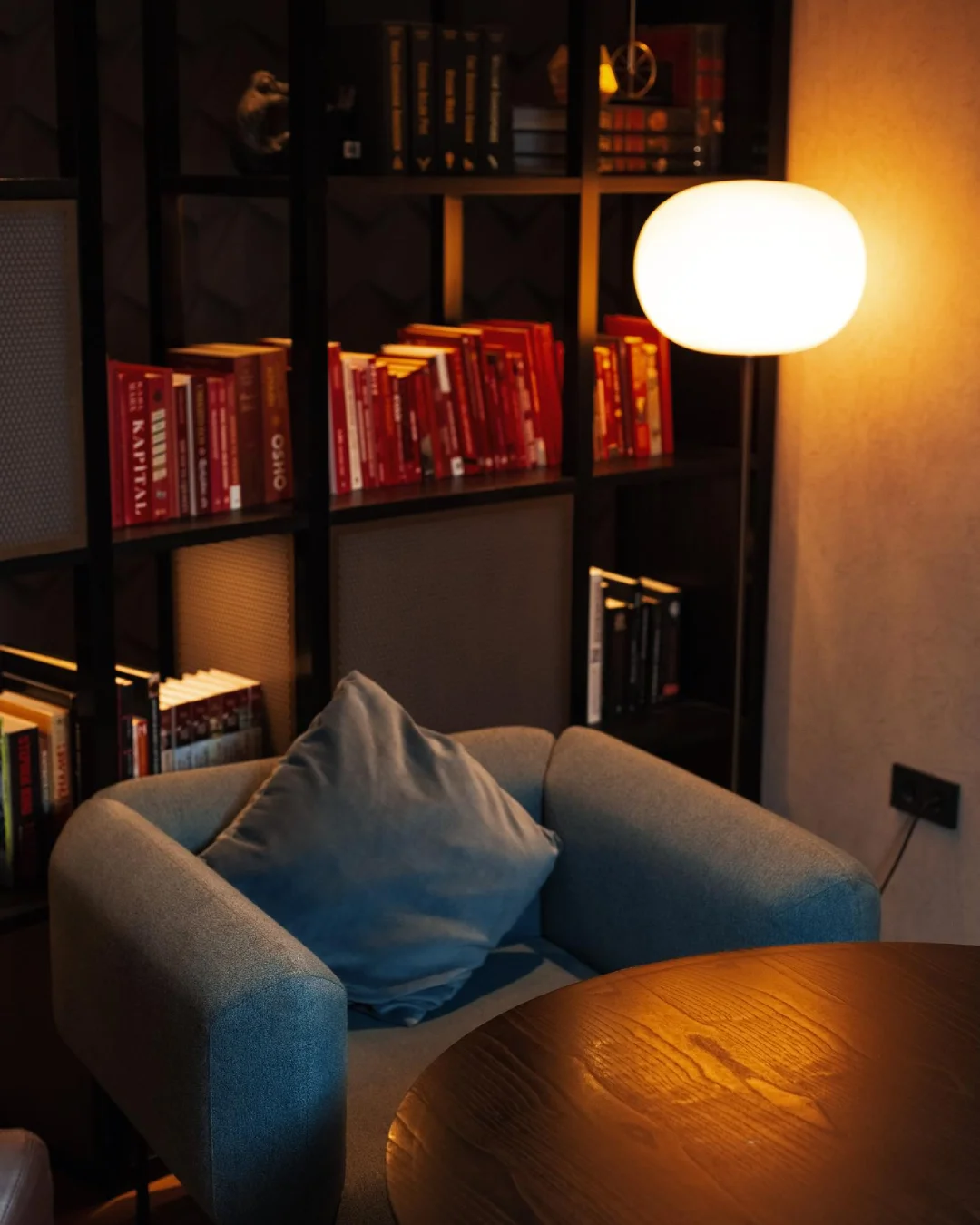
The Lighting Diet: Curating a Calming Evening Atmosphere
Have you ever felt an immediate wave of relief when you turn off your apartment’s ceiling lights? We often fail to realize that harsh, artificial lighting is one of the most aggressive, invisible stressors in our modern environment. Being bathed in surgical, cool-toned light after sunset actively fights your body’s natural desire to rest.
In 2026, creating a sanctuary means mastering your visual environment through intentional illumination. The “Lighting Diet” is the quiet luxury secret to making a small rental feel like a boutique hotel. By curating your bulbs and shadows, you can fake a permanent golden hour that instantly soothes your nervous system.
What is the Lighting Diet?
A lighting diet is a 2026 interior wellness trend that syncs your home’s illumination with your circadian rhythm. It involves using bright, natural sunlight during the day, and transitioning exclusively to low-level, warm ambient lamps at night to naturally reduce cortisol and promote melatonin production.
Just as we curate what we eat, we must curate the light we consume. Exposing yourself to high-intensity overhead lighting at 8 PM confuses your biological clock, leading to poor sleep and heightened anxiety. Shifting your lighting diet creates a clear, psychological boundary between the chaotic workday and your restful evening.
The Death of the “Big Light”
The “big light” refers to the harsh, central overhead ceiling fixture that floods a room with flat, unflattering illumination. In modern aesthetic design, turning on the big light is officially dead, replaced entirely by strategic, low-level ambient lamps that create moody, comforting shadows.
Overhead lighting casts aggressive downward shadows that mimic the harsh midday sun, keeping your nervous system on high alert. To achieve a true quiet luxury aesthetic, you must completely abandon your ceiling switches. Relying on floor and table lamps creates a grounded, intimate atmosphere that immediately lowers your heart rate.
The Three Layers of Light
Layering light is the architectural design secret to making any room feel expensive and multidimensional. It involves strategically combining three distinct light sources: ambient light for overall glow, task light for specific activities, and accent light to highlight beautiful, curated architecture or decor.
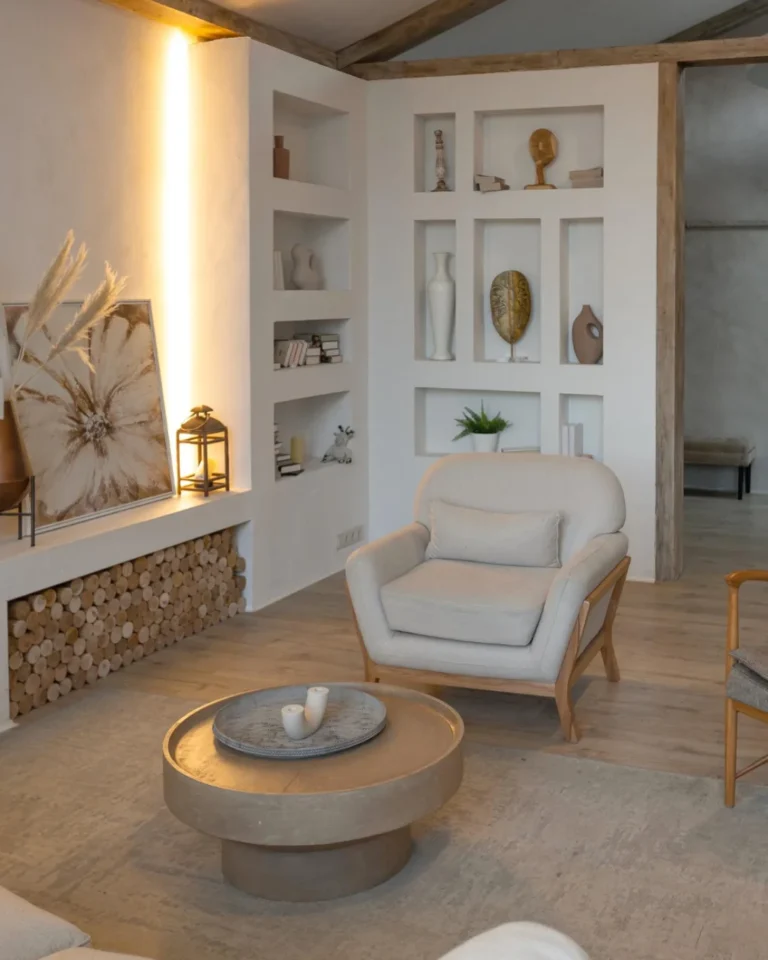
You should never rely on a single light source to illuminate a room. A perfectly lit living room might feature a soft paper floor lamp for ambiance, a brass reading light over a chair for tasking, and a small rechargeable lamp on a bookshelf for an accent. This layering technique builds depth, warmth, and visual interest.
Mastering the 2700K Rule
The 2700K rule refers to the exact color temperature required to achieve a warm, cozy, and relaxing home environment. Light bulbs measured at 2700 Kelvins emit a soft, amber glow that perfectly mimics the calming effect of firelight or a setting sun.
Never buy bulbs labeled “daylight” or “cool white” for your living spaces, as they emit a blue-toned light that aggressively spikes stress hormones. Checking the Kelvin rating on a light bulb box is the easiest renter-friendly upgrade you can make. Swapping your apartment’s default 4000K bulbs for 2700K instantly transforms the energy of the room.